
Founding the Peace Committee
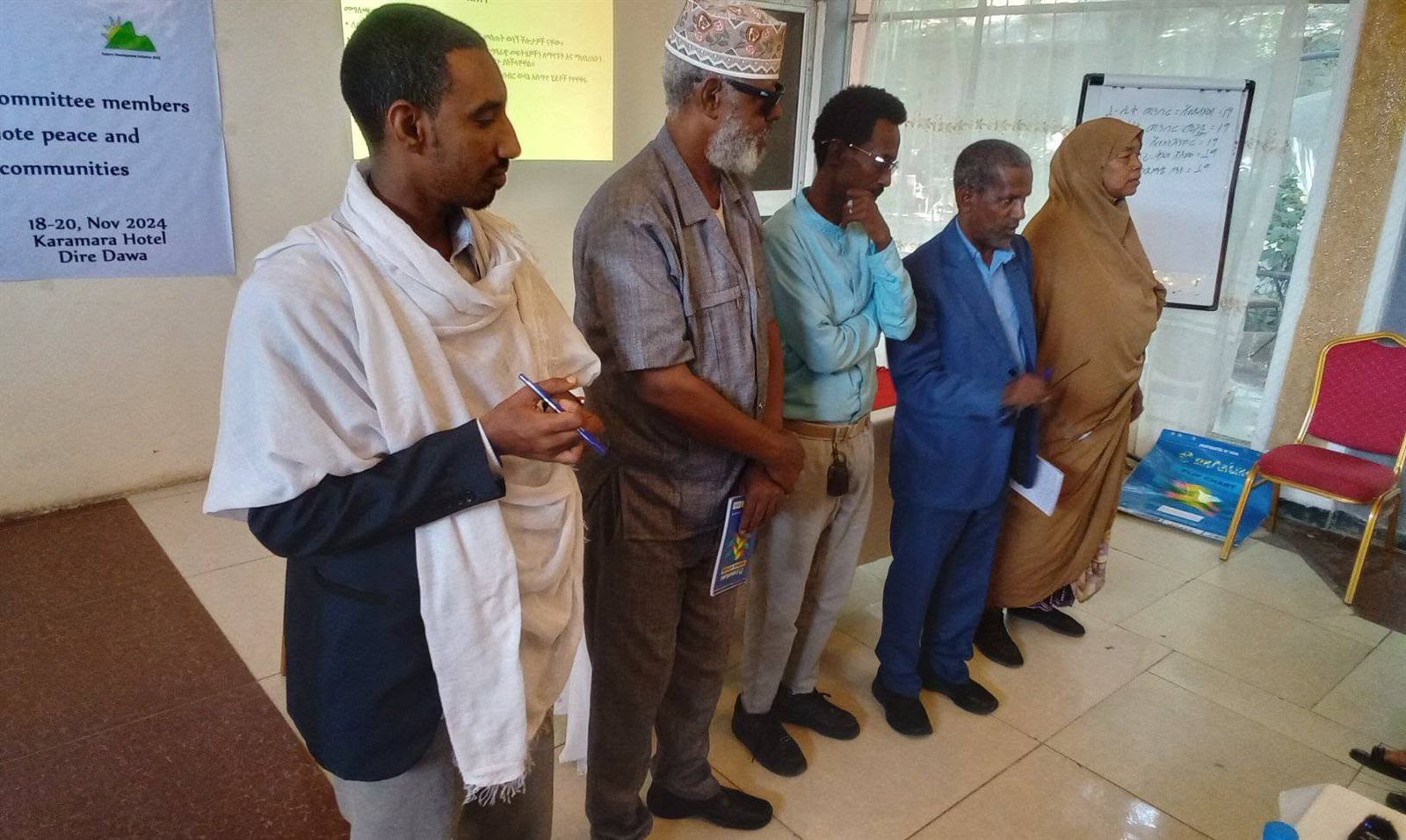
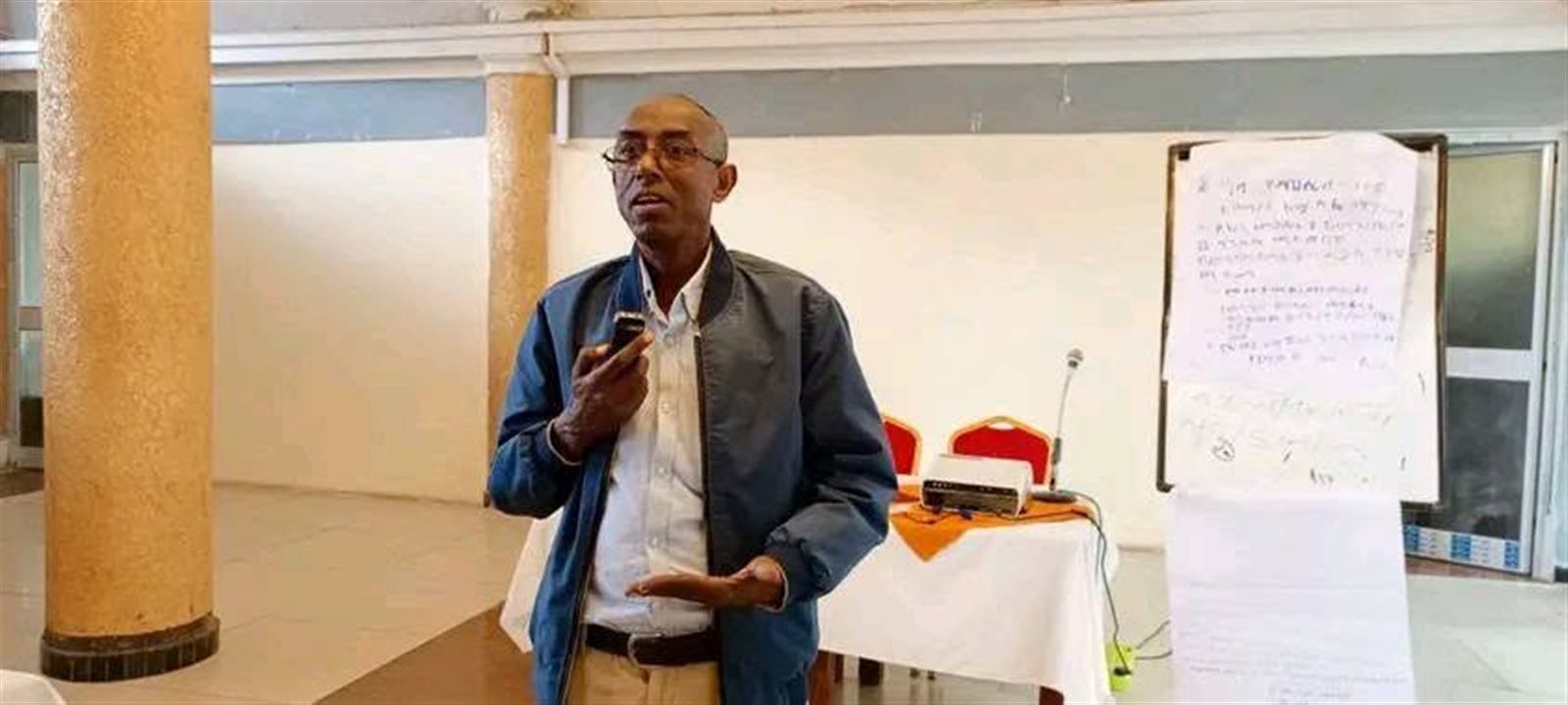
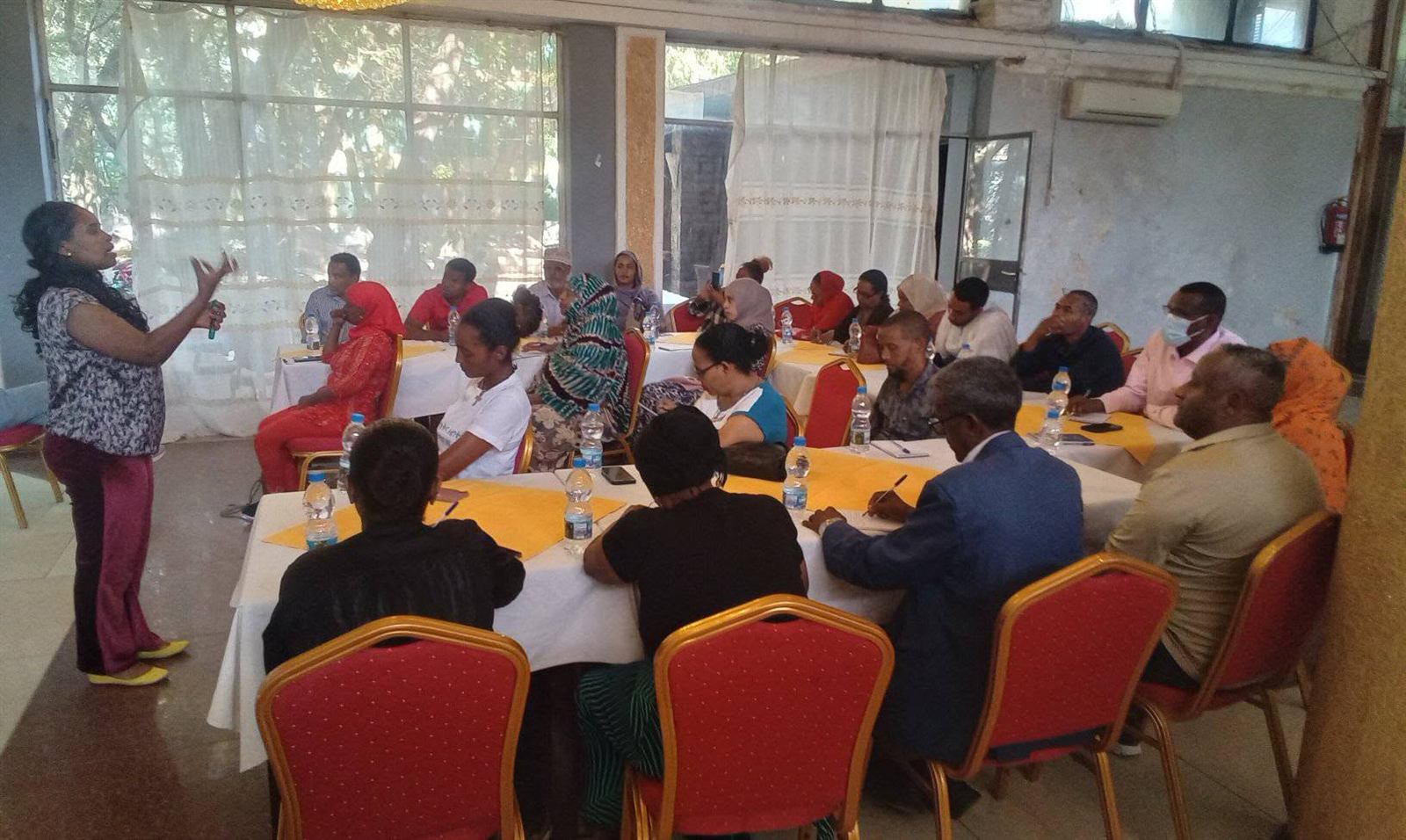
A three-day orientation trained newly formed peace committee members on their role, framed as an effort to "promote peace and unite communities."
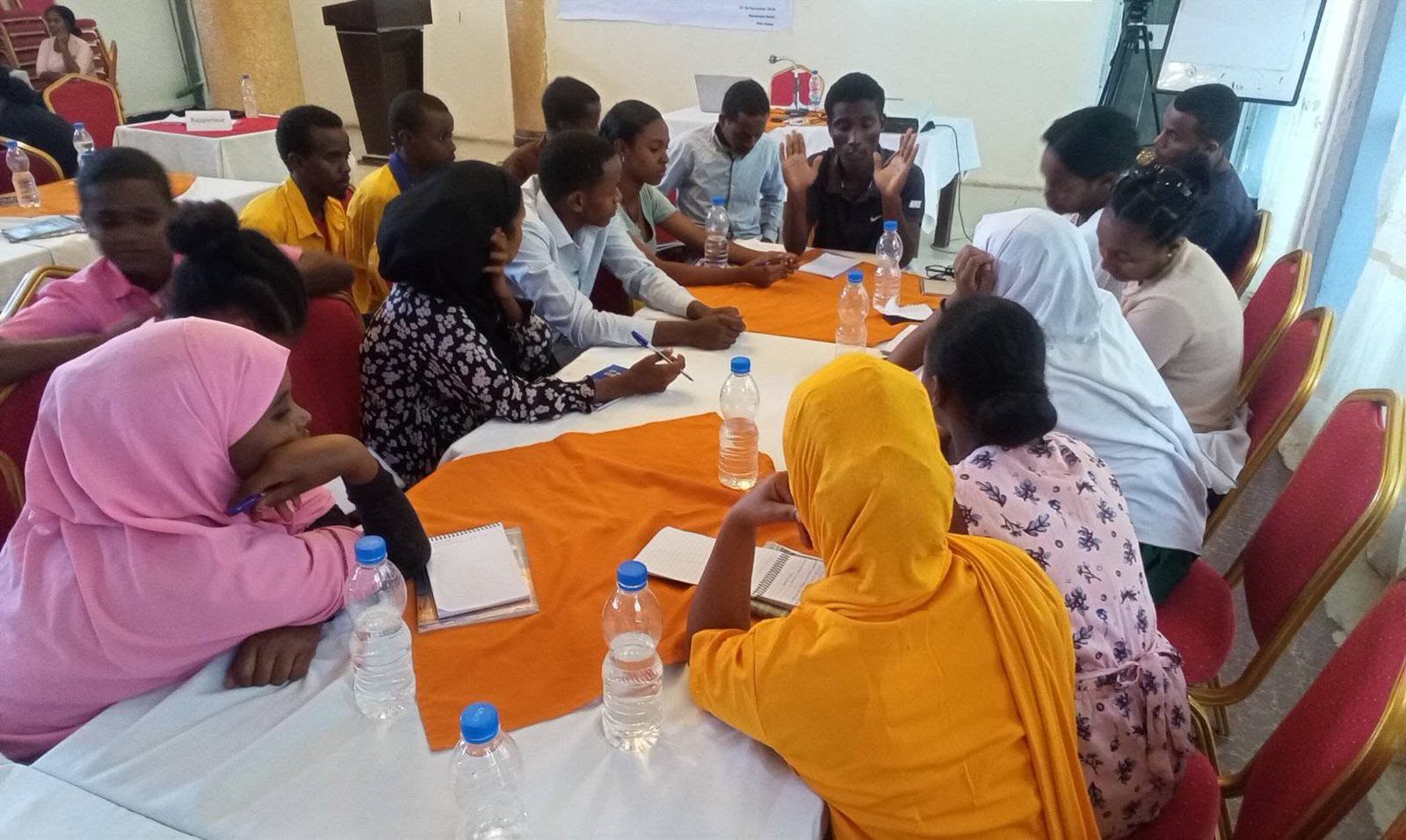
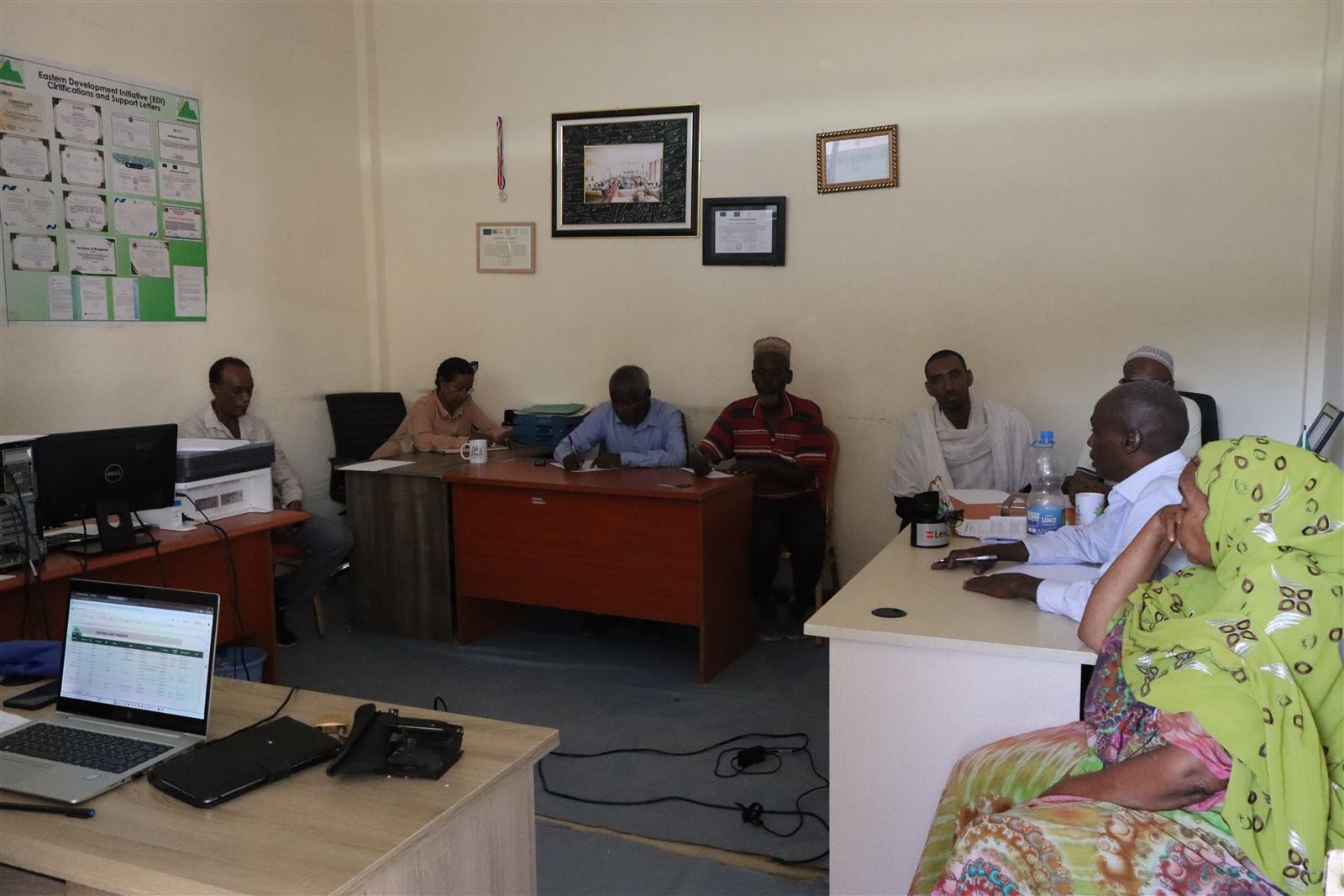
The room brought together a mixed group of younger and older participants, working through the committee's mandate at round tables. The body being formed here was a 30-member peace committee (23 men and 7 women) tasked with mediating local disputes, supporting youth during religious festivals, fostering interfaith dialogue, and distributing brochures carrying peace messages. Members would go on to receive certificates and ID cards recognizing their role, and the committee later explored transitioning into a registered Civil Society Organization to broaden its reach.
Strengthening Their Role
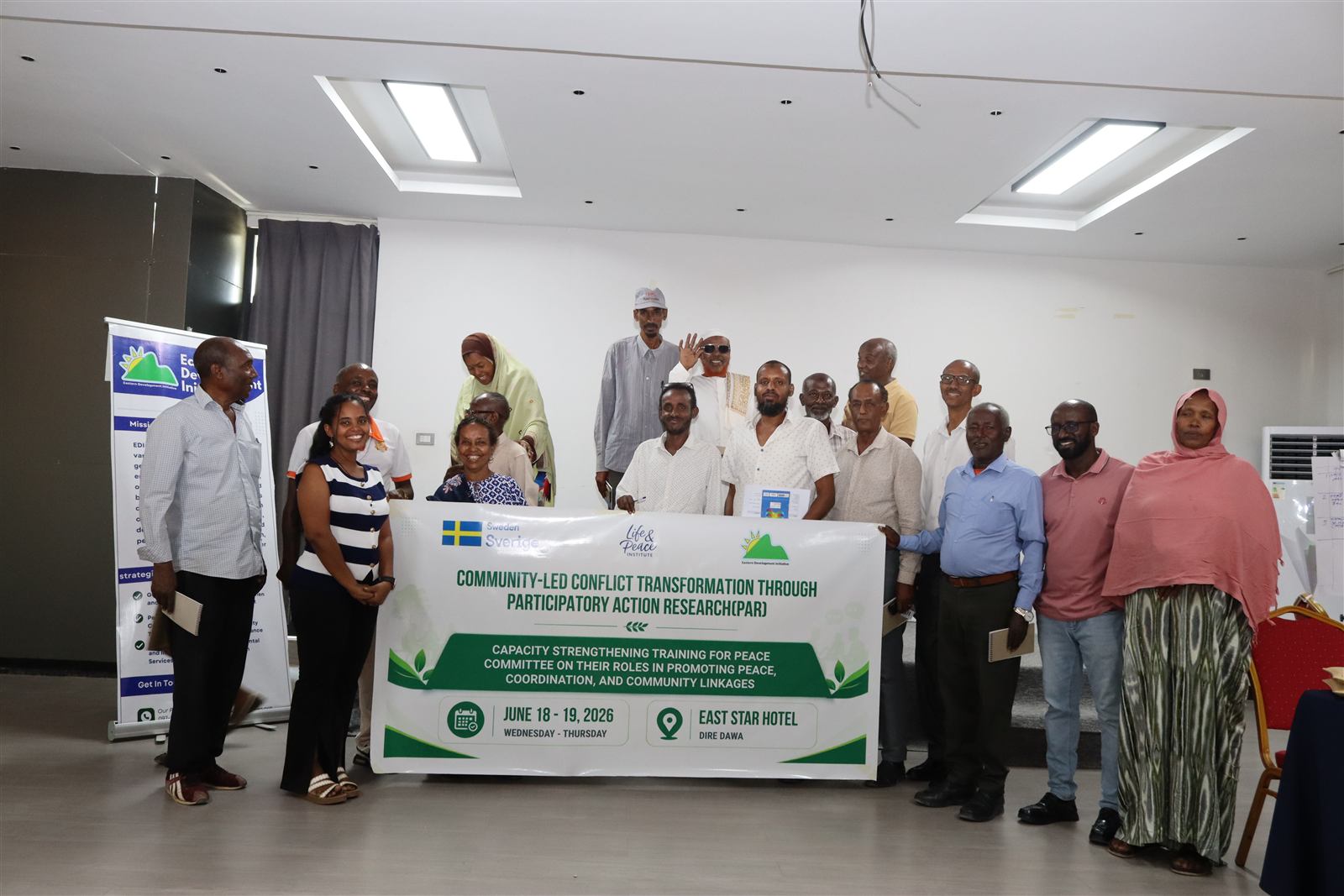
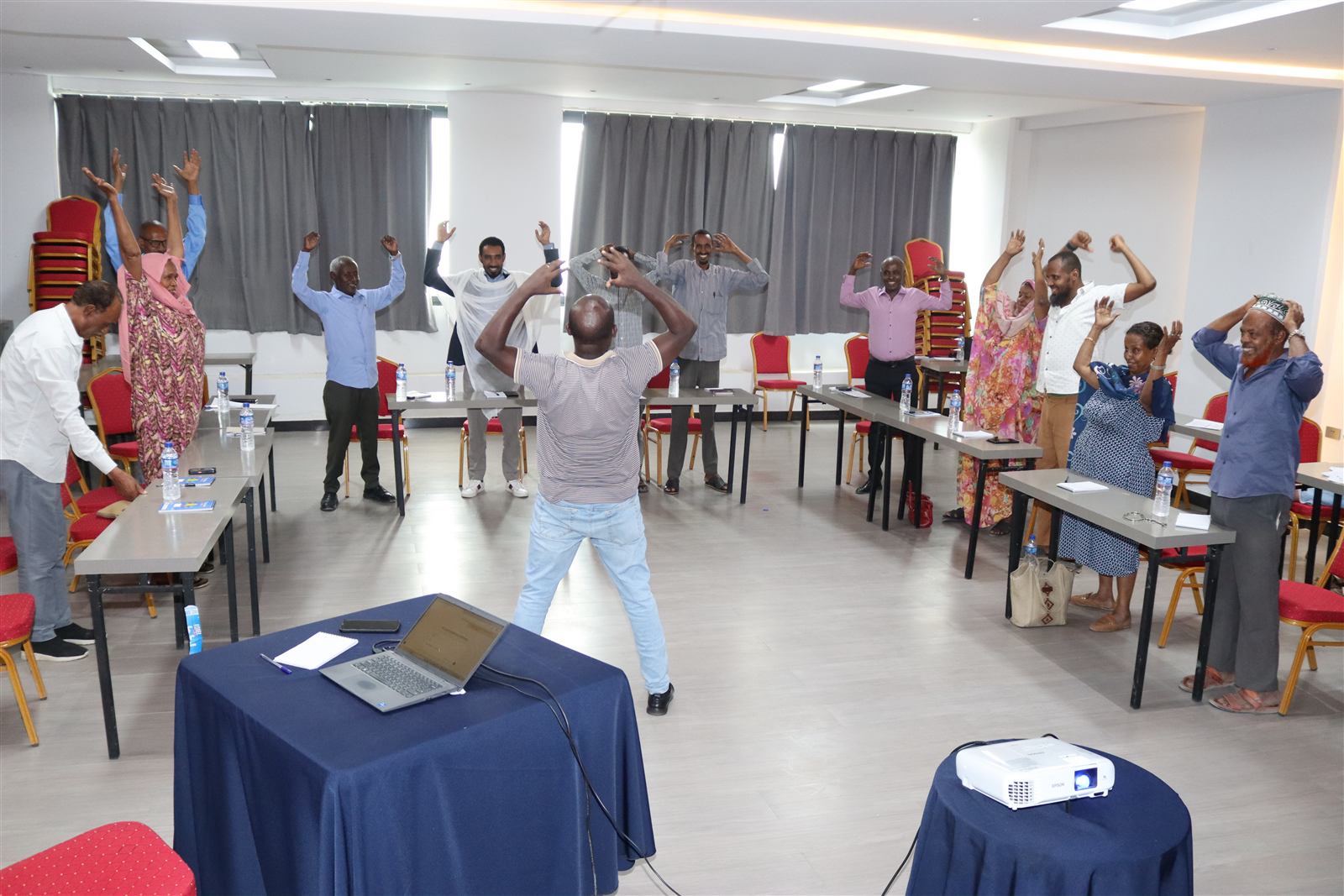
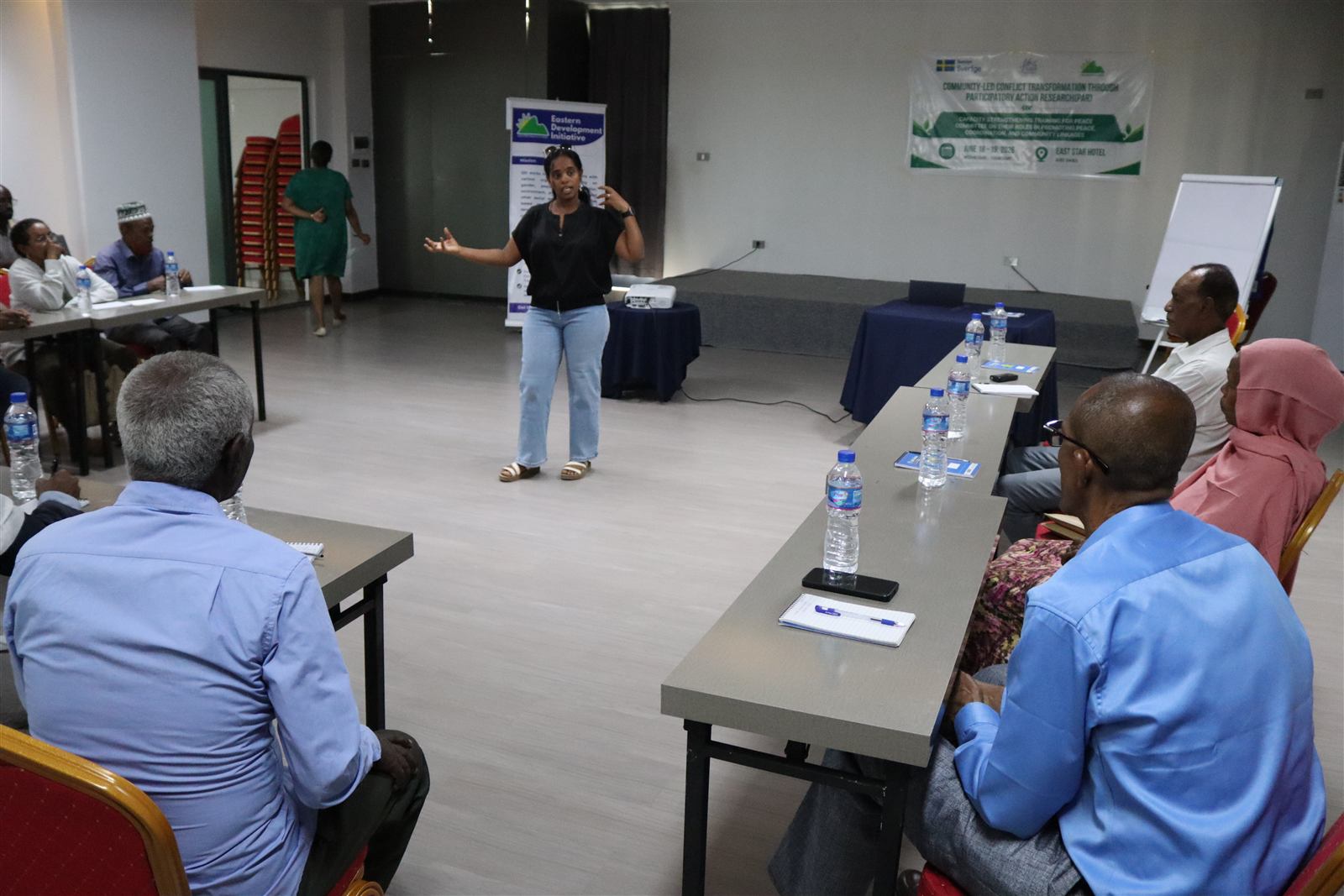
Roughly nineteen months later, under the same PAR project, committee members returned for a training formally titled "Capacity Strengthening Training for Peace Committee on Their Roles in Promoting Peace, Coordination, and Community Linkages."
SIDA, the Life & Peace Institute, and EDI are the named partners behind this session, the same partnership behind the program's other 2026 trainings.
Taking It Into Schools
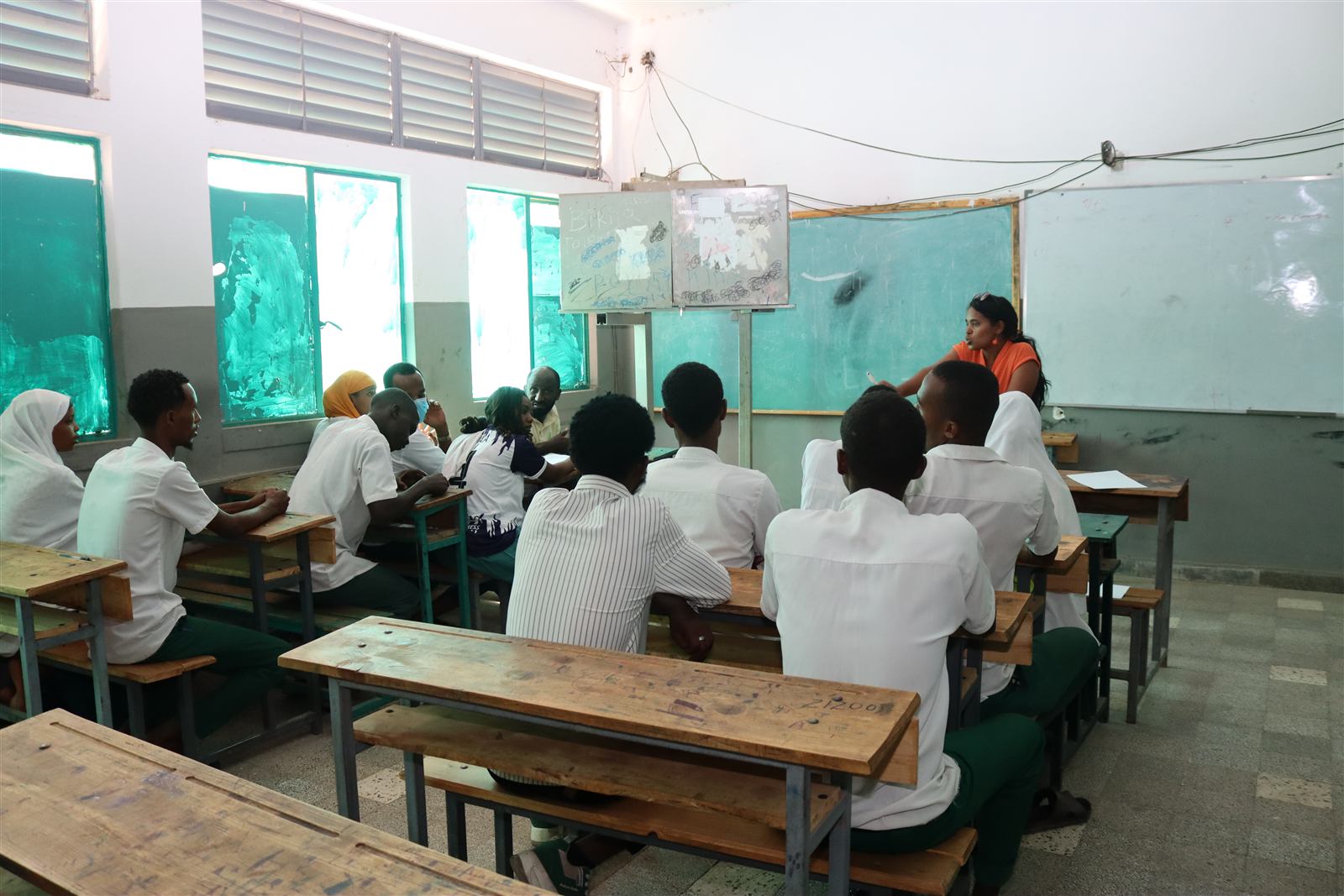
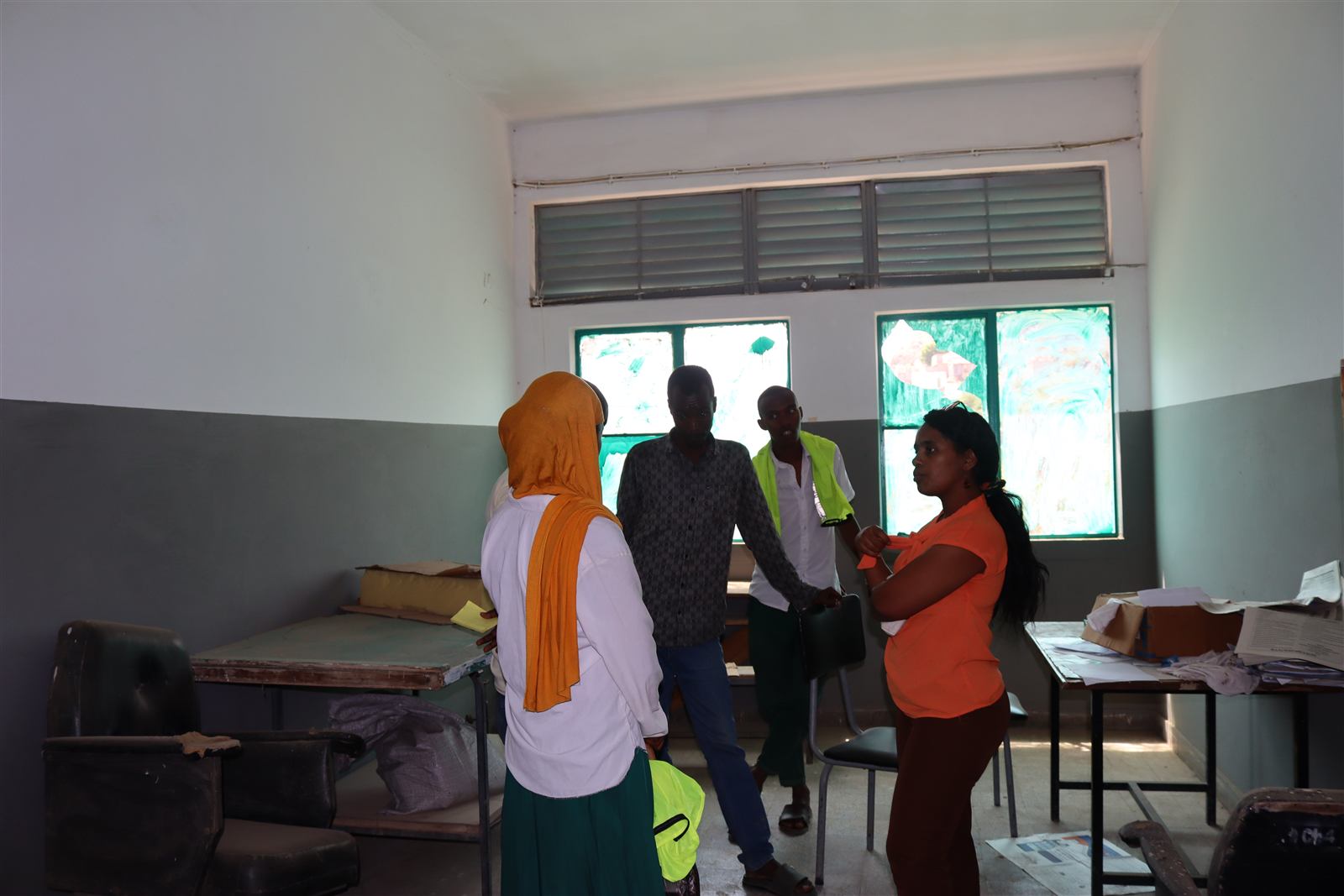
Days later, the same practice extended into a real classroom: students in uniform, an EDI facilitator teaching at the chalkboard, and what appears to be an election or registration process underway at the desks.
The school visit carries no independent confirmation of its own, but the facilitator's EDI-branded shirt and the continuity with the June training make the connection clear.
A note on this draft
Chapter II's exact title and this story's dates are treated as confirmed. Chapter I's membership figures (30 members, 23 men/7 women) and mandate description are matched to this chapter because the "Establish/Strengthen peace committee" activity and this founding orientation are clearly the same committee, in the same year, at the program's usual Karamara Hotel venue. Chapter III (the school) has no independent confirmation of its own: its connection to the program is inferred from the facilitator's branded shirt and the timing, not otherwise confirmed. Two similarly-named 2025 folders ("Meeting with Peace committie," "Peace Committie meeting") were checked as possible sources for a stronger Chapter III ending; both turned out to document an unrelated English-language classroom and an unbranded community gathering, neither confirmable as peace-committee content. Chapter III's ending remains as unconfirmed as before.
A real gap in the sequence: the committee was restructured from 30 to 11 members and renamed the "Peace Family," including a period of friction with the Dire Dawa Justice & Security Office, which initially objected that government already ran its own peace committees, before EDI's group was recognized as complementary "Peace Ambassadors." That restructuring, negotiation, and renaming isn't documented anywhere in this story's material; it sits, undocumented, in the year between Chapter I (2024) and Chapters II–III (2026).
Missing: committee members' names, first-person testimony, and any outcome data (cases handled, elections held). Add before external distribution.
EDI · Draft photo story · Not for external distribution